Dr. Miltie N9+ vs. eClinicalWorks: Key Differences
Compare Dr. Miltie N9+ vs. eClinicalWorks for remote exams, EHR workflows, clinical data capture, and virtual care strategy for distributed care settings.
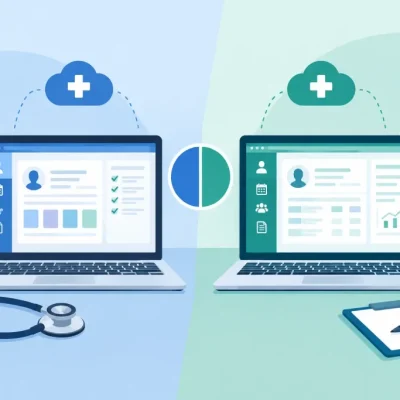
Compare Dr. Miltie N9+ vs. eClinicalWorks for remote exams, EHR workflows, clinical data capture, and virtual care strategy for distributed care settings.
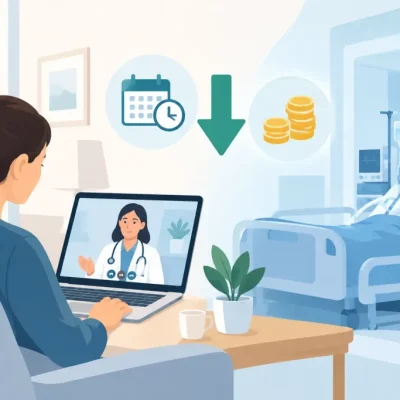
Remote exams at home for children with medical complexity can strengthen early assessment, reduce avoidable ICU days, and lower total cost of care safely.

This RPM platform review gives healthcare leaders a framework for assessing data quality, workflows, patient access, security, and reimbursement readiness.

Chronic care management companies can extend clinical capacity, support reimbursement, and strengthen patient follow-up across complex care populations.

CMS chronic care management helps organizations build reimbursable, coordinated support for patients with multiple conditions across care settings at scale.
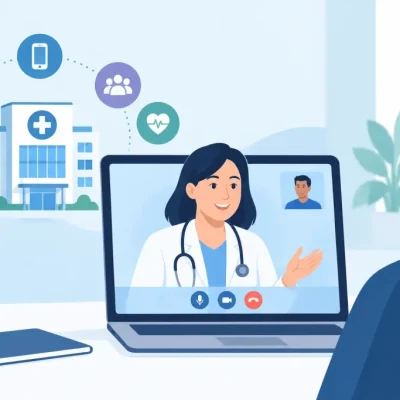
This virtual primary care guide helps health systems design credible, reimbursement-aware programs for access, chronic care, and stronger follow-up care.

What is chronic care management? Learn how it supports coordinated, reimbursable follow-up for complex patients across modern care settings at scale.

Chronic care management Medicare can fund coordinated, between-visit support. Learn eligibility, billing, workflows, and telehealth implementation now.

Learn how to bill remote monitoring with compliant RPM workflows, CPT coding, documentation, and payer checks for scalable connected care programs today.

Remote patient monitoring devices can extend clinically relevant care beyond the visit when organizations align device choice, workflows, and reimbursement.

Understand chronic care management cpt codes, time thresholds, documentation, and billing workflows for Medicare-aligned virtual care programs at scale.

Compare dr. miltie n9+ vs. blueberry health for remote exams, patient monitoring, workflow fit, and scalable virtual care decisions for providers today.

Compare Dr. Miltie N9+ vs. Epic/MyChart video for remote exams, workflow fit, patient access, and scalable connected-care programs in clinical settings.

Virtual examinations for mobile healthcare programs extend clinical reach with actionable data, better workflows, and patient-centered remote care teams.

Reducing healthcare disparities through telehealth requires more than video visits: build accessible, connected care pathways for patients and communities.